Photo by MART PRODUCTION on Pexels — source It’s a Wednesday afternoon, and the calendar sidebar on my screen is filled with bright blocks of color, each representing a focus session meticulously planned for the day. I glance at the task list, which seems to stretch endlessly, filled with small admin tasks that have a way of crowding out the real work. A reminder popup interrupts my flow, stealing the next ten minutes as I scramble to check off yet another minor item. The setup feels chaotic; the work surface and task surface don’t match, and I’m left wondering why I’m not making progress on my primary projects. As I attempt to switch gears from one task to another, the energy I had for deep work dissipates. The calendar blocks meant to safeguard my focus become mere suggestions, easily overridden by the urgent ping of a notification or the allure of checking off smaller tasks. This ongoing friction highlights a common pitfall in remote work: when the task list exceeds the time avail...
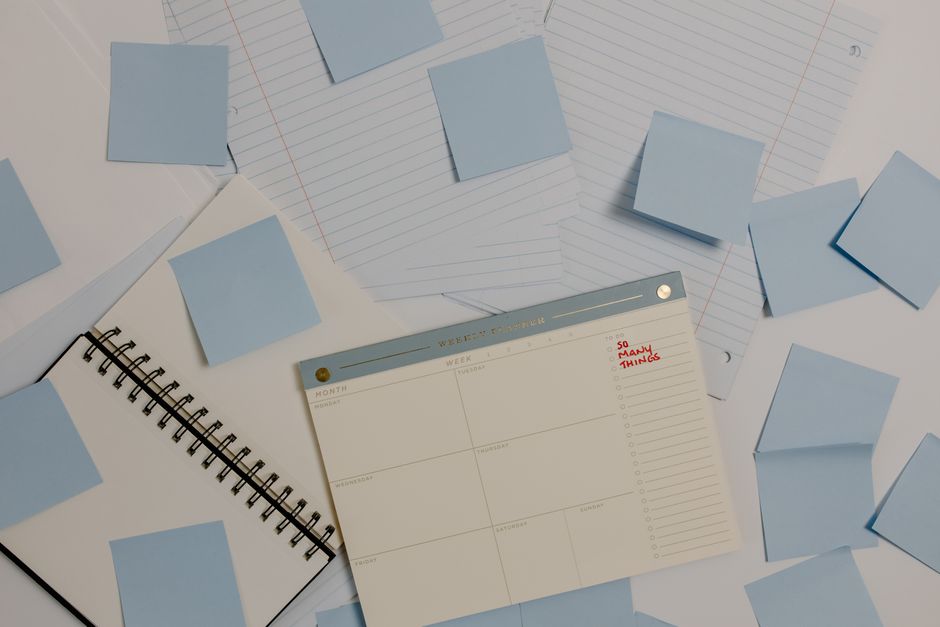
As the clock strikes 9 AM on a Tuesday, the desk is cluttered with a half-opened notebook, a steaming mug of coffee, and a glowing laptop screen filled with email notifications. The day is packed with back-to-back meetings, leaving little room for deep work. This familiar scene captures the struggle of maintaining focus during remote work, where small administrative tasks often crowd out the real work that needs to be done.
During a brief planning reset, the worker flips through the task notebook, scanning for the top three priorities to tackle. However, the calendar's overload of meetings creates a bottleneck, making it easy to overlook the need for a focused work session. A muted notification window sits in the corner of the screen, a simple yet effective tool that could help minimize distractions. Yet, without a clear strategy for desk planning and task switching, the potential for a productive focus block slips away, leaving the worker feeling overwhelmed and unproductive.
The Overlooked Setup for Focused Work
As the workday unfolds, the desk becomes a battleground of scattered notes, half-opened documents, and a blinking notification bar. During a quick planning reset, the worker glances at their task notebook, where the top three priorities are scribbled down. With each ping from the notification bar, the temptation to switch tasks grows stronger, pulling focus away from the deep work that is essential for the day.
In this moment, the clutter on the desk is not just physical; it reflects a mental overload that hinders productivity. The muted notification window is a good start, but without a clear strategy for desk planning, it’s easy to fall into a cycle of task switching. This small shift could help reclaim the work session from the clutches of minor tasks, allowing for a more productive use of time.
Steps That Slip Through the Cracks
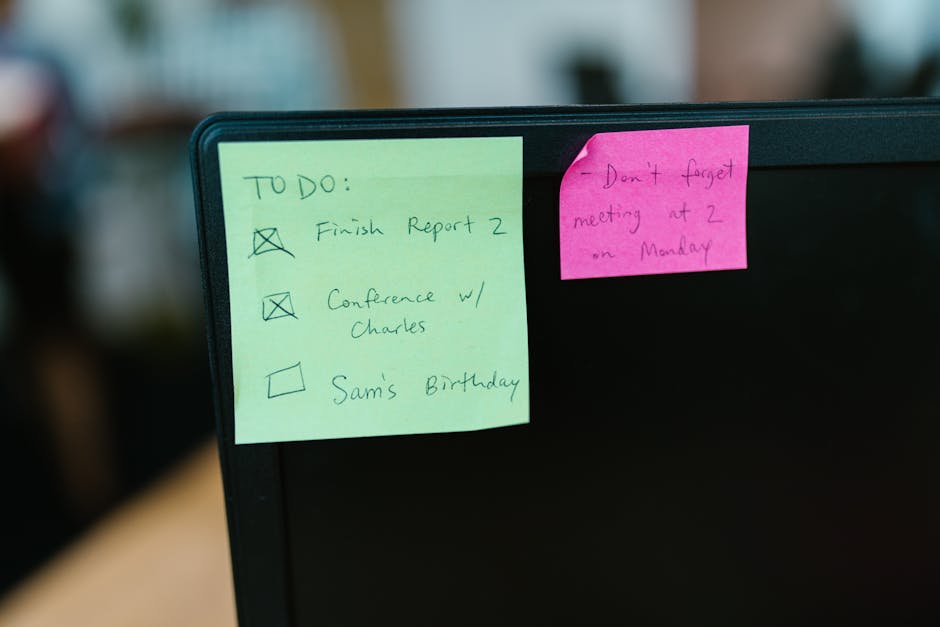
In the midst of a busy weekday, the desk is cluttered with a jumble of sticky notes, an open laptop displaying a flood of emails, and a task notebook that feels more like a burden than a guide. As the worker prepares for a focus block, they realize they haven’t rewritten their top three tasks, leaving them vulnerable to distractions. Without a clear plan, it’s easy to let small admin tasks crowd out the real work.
Failing to mute notifications before starting a focus block leads to constant interruptions.
Not prioritizing the top three tasks can create confusion about what to tackle first.
Overlooking the need for a clean workspace contributes to mental clutter and distraction.
During this planning reset, the worker should first silence the notification window, creating a barrier against distractions. This simple action can help preserve the focus block, allowing a deeper dive into the tasks that truly matter. By addressing these overlooked steps, the worker can reclaim their time and attention, shifting from reactive task switching to a more intentional workflow.
The Real Bottleneck in Your Workflow
This same friction shows up again in Managing Energy Not Time, especially when the day tightens unexpectedly.
During a typical weekday, the desk is cluttered with notebooks and a laptop, but the real issue lies in the calendar. When meetings stack up, they become the silent saboteurs of focus. Each meeting, while seemingly necessary, chips away at the time allocated for deep work.
Before diving into the next meeting, it’s crucial to set the stage for a productive work session. The first step is to rewrite the top three tasks for the day in the task notebook, ensuring they align with the most pressing goals. This simple act not only clarifies priorities but also serves as a reminder of what truly needs focus. Next, the worker should mute all notification windows. Without this barrier, the temptation to respond to pings and alerts can derail even the best intentions, leading to a cycle of task switching that further dilutes concentration.
As the worker glances at the calendar, they realize that the back-to-back meetings have created a bottleneck, delaying the completion of significant tasks. The mental load of juggling multiple small tasks can easily overshadow the critical work that deserves attention. By recognizing this friction point, the worker can make a conscious effort to reclaim their focus blocks, turning the tide on productivity during those busy meeting days.
Reorganizing Your Task Sequence
A slightly different version of this problem appears in Focus Without Burnout, where the sequence changes but the hidden drag feels familiar.
During a typical weekday, the desk is cluttered with half-opened notebooks and a calendar filled with back-to-back meetings. When the calendar is packed with meetings, it’s easy to let these small tasks overshadow the deeper focus work.
After a short planning reset, a shift in the approach becomes evident. The worker now prioritizes deep work tasks by rewriting the top three tasks in the task notebook, ensuring that the focus block is clearly defined. The worker also places the task notebook directly in front of their laptop, making it the first thing they see when they sit down. Muting notification windows becomes a non-negotiable step, creating a barrier against distractions that disrupt the flow of concentration.
What Changes When You Adjust Your Sequence?
On a typical weekday, the desk is a jumble of open notebooks, sticky notes, and a calendar crammed with meetings. This clutter can easily drown out the essential tasks that require deep focus. However, when the worker shifts their attention to a cleaner task management order, the difference becomes palpable. By rewriting the top three tasks in the task notebook, the worker not only clarifies their priorities but also creates a visual anchor for their focus block.
With the task notebook positioned directly in front of the laptop, it becomes the first thing in sight, a constant reminder of what truly needs to be accomplished. The act of muting notification windows solidifies this new routine, effectively reducing distractions and allowing for more efficient work sessions. The worker finds that with fewer distractions, they can dive deeper into their tasks, leading to a more satisfying sense of progress.
Desk planning becomes a key component in this process. By taking a moment to assess what stays and what goes on the desk, the worker can streamline their environment. This simple adjustment not only clears physical space but also mentally prepares them for the work ahead. The friction of task switching diminishes, allowing for a smoother workflow and a more productive day.
As the day winds down, the worker reflects on how small adjustments can significantly alter their workflow. The task notebook, now filled with prioritized tasks, reminds them of the importance of maintaining focus, especially on busy meeting days. When the calendar overflows with back-to-back calls, it’s easy to let minor admin tasks creep in, distracting from the core objectives. By consciously setting aside time to rewrite the top three tasks each morning, they create a clear path through the noise of meetings and emails.
During the next planning reset, a quick check of the notification window can reveal how many distractions remain muted. By keeping the work surface clear and aligned with the day’s most important tasks, the worker can better navigate the distractions of remote work, ultimately leading to a more productive session.