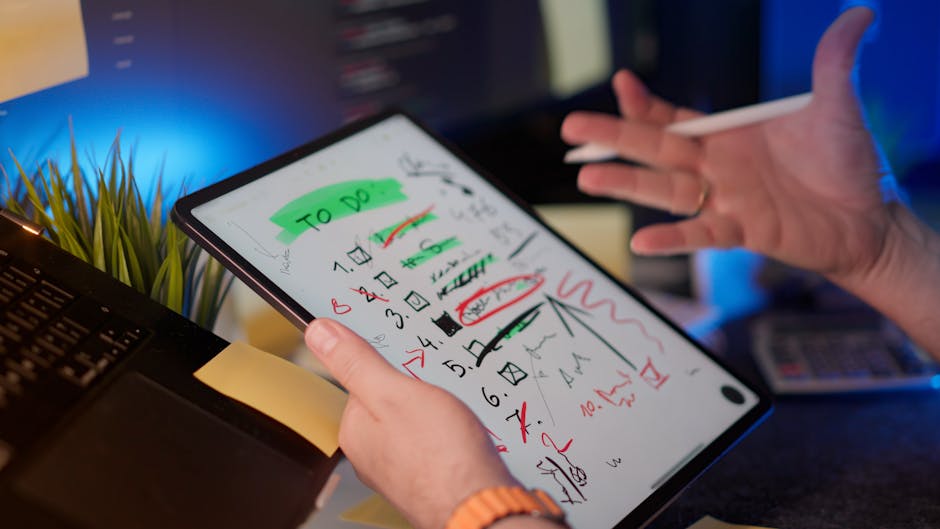
Photo by MART PRODUCTION on Pexels — source It’s a Wednesday afternoon, and the calendar sidebar on my screen is filled with bright blocks of color, each representing a focus session meticulously planned for the day. I glance at the task list, which seems to stretch endlessly, filled with small admin tasks that have a way of crowding out the real work. A reminder popup interrupts my flow, stealing the next ten minutes as I scramble to check off yet another minor item. The setup feels chaotic; the work surface and task surface don’t match, and I’m left wondering why I’m not making progress on my primary projects. As I attempt to switch gears from one task to another, the energy I had for deep work dissipates. The calendar blocks meant to safeguard my focus become mere suggestions, easily overridden by the urgent ping of a notification or the allure of checking off smaller tasks. This ongoing friction highlights a common pitfall in remote work: when the task list exceeds the time avail...
It's a Tuesday morning, and the calendar sidebar on my screen shows three overlapping meetings scheduled before noon. I glance at my task list, where the top three items are marked as priorities for my focus block. Yet, as I prepare to dive into the first task, a reminder popup interrupts me, stealing the next ten minutes to address a small admin task. This scenario plays out regularly, where seemingly simple tasks crowd out the real work I intend to accomplish. The friction lies in the constant task switching, making it hard to settle into a deep work session.
Before I can even begin my focus block, I find myself shuffling through notifications and calendar alerts, each one pulling my attention away from the core tasks. The muted notification window sits neglected, a small but crucial check that could prevent distractions. As I attempt to rewrite my top three tasks, I realize that the simple act of desk planning is overshadowed by these interruptions. The task looks straightforward until the switching costs appear, leaving me grappling with the question of how to protect my focus amid the chaos of remote work.
The Overlooked Start of the Day
The morning begins at my desk, where the calendar sidebar is open, displaying a neatly organized task list. I’ve blocked off a solid two-hour focus block, the perfect time to tackle my top three tasks. The first task seems straightforward: send a project update email. I type the subject line, feeling the initial momentum build.
Just as I’m about to hit send, a reminder popup appears in the corner of my screen, alerting me to a meeting that’s still an hour away. I dismiss it quickly, but the interruption has already cost me a few precious minutes. The task appears simple until the notifications start rolling in, each one pulling my attention away from my focus block. I glance at the muted notification window, realizing that it’s still active. This small detail could have prevented the distraction, but now I’m left juggling multiple tasks.
With the clock ticking, I shift gears to address a small admin task that popped up during my email drafting. I tell myself it will only take a moment, but as I dive into it, I find myself lost in a web of details. The task looks simple on the surface, yet the switching costs pile up. I end up spending ten minutes on what should have been a quick check, and suddenly my focus block feels compromised. The initial clarity I had is now muddied by the friction of constant task switching, leaving me frustrated as I try to reclaim my focus.
The First Task That Gets Skipped
During a typical weekday, I sit at my desk, a cup of lukewarm coffee by my side, staring at my calendar sidebar. It’s packed with color-coded blocks, each representing a task I’ve scheduled for my focus block. I’m ready to dive into drafting an important email, but just as I open my document, a reminder popup flashes on my screen, stealing ten minutes from my focus. I tell myself it’s just a quick glance, but the moment I engage with it, I’m pulled into a small admin task that feels deceptively simple.
This quick check turns into a rabbit hole of details. I start addressing an overdue invoice, but then I notice another email that requires a response. The task switching begins, and I find myself juggling multiple threads. Each switch costs me time, and as I glance back at my original task, I realize I’ve lost the thread of my focus. The initial clarity I had is now clouded by frustration. I should have muted my notifications before starting, a small check I skipped in my haste. Now, I’m left scrambling to reclaim my focus, knowing that the small admin tasks have crowded my schedule, making it harder to return to the deep work I had planned. Why Notifications Disrupt Focus As I sit at my desk, ready to dive into a focus block, I glance at my calendar sidebar. I’ve carved out a solid hour for deep work, but the moment I see the notification icon flicker, my intention wavers. A single ping can unravel my plans, pulling me into a web of distractions. The hidden cost of these interruptions is significant; each time I switch tasks, I lose momentum, and my productivity takes a hit.
Task switching can waste up to 20 minutes as the brain struggles to regain focus.
Each notification interrupts my workflow, making it harder to re-engage with the original task.
Good intentions to quickly check a reminder often lead to a cascade of small tasks that crowd my schedule.
During an ordinary weekday moment, I remind myself to mute notifications before my focus block begins. Yet, in my haste, I skip this crucial step. I open the email app instead of silencing the distractions, thinking I’ll just take a quick look. A reminder popup steals my attention, and suddenly, I’m lost in an overdue invoice that morphs into a flurry of replies and follow-ups. My focus on the main task fades, and I’m left grappling with a longer to-do list than I started with. The friction of task switching makes it clear that protecting my focus requires more than good intentions; it demands proactive measures to manage distractions effectively.
One Adjustment to Regain Control
A slightly different version of this problem appears in Managing Energy Not Time, where the sequence changes but the hidden drag feels familiar.
During a busy weekday morning, I sit at my desk, staring at my calendar sidebar filled with tasks. The clutter of small admin items looms large, threatening to crowd out my focus block for the day. I know I need to prioritize my top three tasks, but instead, I find myself opening email notifications that ping insistently, each one a siren call to distraction. The moment I click to check a reminder, I lose precious minutes—time that should have been dedicated to deep work.
To counteract this, I’ve implemented a simple yet effective adjustment: muting my notification window before I dive into my focus block. This small setup detail has become crucial; it allows me to reclaim those ten minutes that would otherwise slip away into a rabbit hole of task switching. Each morning, I take a moment to rewrite my top three tasks on a sticky note, placing it directly in front of my monitor. This visual reminder keeps me anchored to what truly matters, helping me resist the urge to veer off into less important tasks.
However, the friction of task switching still lingers. Even with my notifications muted, the temptation to check off those small tasks can be overwhelming. I remind myself that while they seem simple, the time lost in switching costs can add up quickly. The goal remains clear: protect my focus block by ensuring that my task list is manageable and that my environment is set up to minimize interruptions. Each day is a balancing act, but with these adjustments, I’m learning to navigate the chaos more effectively.
What Gets Easier in the Next Time Block
If this pattern keeps repeating, Focus Without Burnout extends the idea without leaving the niche.
As I prepare for the next focus block, the clutter on my desk becomes a visible reminder of the friction I face. My task list, sprawled across a digital notepad, feels overwhelming. I glance at my calendar sidebar, where a bright red reminder popup for a small admin task steals my attention, threatening to derail my concentration. I know from experience that if I give in, I’ll lose at least ten minutes to the task-switching trap.
To counter this, I take a moment to clear my workspace. I close unnecessary tabs and minimize distractions, ensuring that only the essential applications are open. I also take a sticky note and write down my top three priorities for this focus block, placing it right above my keyboard. This simple act of desk planning helps me visualize what I need to tackle first, anchoring my attention back to the most pressing tasks.
By establishing this clear focus, I notice that my workflow becomes smoother. The next time block feels less chaotic, as I’ve already set the stage for success. I can dive into my work without the nagging pull of minor tasks. However, the friction of those small tasks still looms; they’re often quick to complete but can easily disrupt my rhythm. With each focus block, I’m learning to navigate these interruptions more effectively, but the balance remains delicate.
As I sit at my desk, I can see the calendar sidebar filled with reminders and tasks that vie for my attention. Each notification feels like a small tug on my focus, pulling me away from the deep work I’m trying to accomplish. A reminder popup just stole ten minutes of my time, reminding me of a quick admin task that seemed simple but turned into a distraction. The friction of these small tasks often clouds my ability to concentrate on more significant projects, making it clear that I need to establish firmer boundaries.
To combat this, I’ve started muting notification windows during my focus blocks. This small adjustment allows me to protect my time from those pesky interruptions. Before diving into my next session, I’ll rewrite my top three tasks and place that sticky note back on my keyboard. By prioritizing my workload visibly, I can better navigate the chaos of my task list, ensuring that I tackle what truly matters without getting sidetracked by minor tasks. The challenge remains: how do I keep these distractions at bay while maintaining a productive workflow?