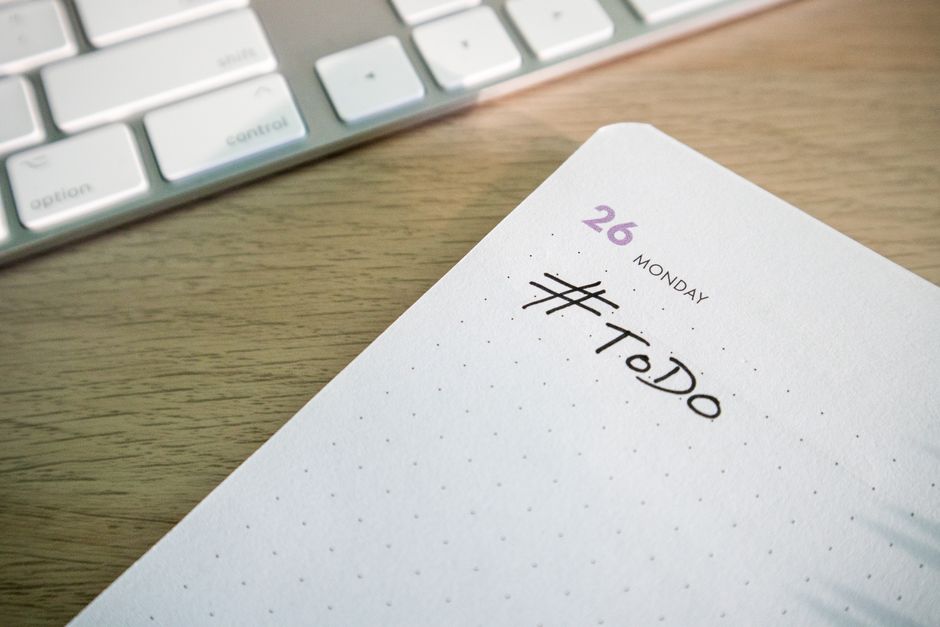
Photo by MART PRODUCTION on Pexels — source It’s a Wednesday afternoon, and the calendar sidebar on my screen is filled with bright blocks of color, each representing a focus session meticulously planned for the day. I glance at the task list, which seems to stretch endlessly, filled with small admin tasks that have a way of crowding out the real work. A reminder popup interrupts my flow, stealing the next ten minutes as I scramble to check off yet another minor item. The setup feels chaotic; the work surface and task surface don’t match, and I’m left wondering why I’m not making progress on my primary projects. As I attempt to switch gears from one task to another, the energy I had for deep work dissipates. The calendar blocks meant to safeguard my focus become mere suggestions, easily overridden by the urgent ping of a notification or the allure of checking off smaller tasks. This ongoing friction highlights a common pitfall in remote work: when the task list exceeds the time avail...
It's a Tuesday morning, and the task notebook sits open on your desk, filled with a mix of to-dos and reminders. As you glance at the screen, the calendar block for the next hour shows a work session dedicated to project planning, but the familiar pings from Slack are already pulling your attention away. Each interruption feels minor, yet they accumulate, creating a disjointed flow that makes it hard to dive deep into your tasks.
During this short planning reset, the mismatch between your task surface and work surface becomes glaringly obvious. The tension builds as you realize that each time you switch tasks, you lose not just minutes but also the momentum needed to maintain focus. The decision to handle those admin tasks later seems simple, yet in the moment, it often slips away, leaving you juggling priorities instead of honing in on what truly matters.
When Notifications Steal Your Attention
The cluttered desk is a familiar sight, with a jumble of open tabs and sticky notes vying for your attention. As you prepare to dive into a project planning session, the calendar block on your screen signals that now is the time to focus. Yet, just as you settle in, a Slack notification pops up, bright and insistent. It’s a message from a colleague about an unrelated task, but the instinct to check it is overwhelming. You click the notification, and suddenly, ten minutes slip away as you read and respond, leaving your original task untouched.
This moment highlights a critical pressure point: the ease of task-switching in a remote setup often leads to fragmented focus. Each time you toggle between tasks, the mental reset takes longer than expected. The original project planning gets pushed aside, replaced by the immediate need to address the latest message. A quick glance at your task notebook reveals a long list of priorities, but the urgency of notifications makes it easy to lose track of what matters most. To regain control, consider moving those admin tasks to later in the day, ensuring that your focus block remains uninterrupted. This small adjustment can help maintain momentum during your work session, allowing you to dive deeper into your priority tasks without the constant pull of incoming messages.
The Decision to Prioritize Tasks: A Before and After Comparison
During a typical weekday, the remote worker sits at their cluttered desk, staring at a task notebook filled with project deadlines and reminders. The screen flickers with a new email notification, and the temptation to respond immediately pulls their attention away from a critical project. With multiple tabs open, they quickly type a reply, thinking it will only take a minute. However, that minute stretches into ten as they get drawn into a back-and-forth conversation, losing sight of their original task.
Recognizing this pattern, they decide to make a strategic shift. Instead of allowing emails to dictate their workflow, they block out a solid hour on their calendar specifically for focused work. This time is dedicated solely to completing the significant project that has been lingering on their to-do list. By moving admin tasks to later in the day, they create a clear boundary that helps maintain their focus. The task notebook now serves as a roadmap, guiding them back to what matters most, rather than being a source of distraction.
As they dive into the project without the constant ping of notifications, the mental clarity that comes from this decision becomes evident. They can complete substantial portions of the work during this uninterrupted focus block. This simple adjustment not only enhances their productivity but also reduces the stress that comes from task-switching. The earlier choice to prioritize emails felt tempting, but the newfound strategy proves far more effective in maintaining momentum throughout the work session.
Checklist for Better Focus Management During Busy Days
A slightly different version of this problem appears in Managing Energy Not Time, where the sequence changes but the hidden drag feels familiar.
During a crowded work block, the task notebook can quickly become cluttered with reminders and urgent requests, making it harder to maintain focus. Notifications from Slack or email often steal precious minutes, breaking concentration just when you need it most. To manage this, consider implementing a few strategic decisions that can help you stay on track.
Move admin tasks to later in the day when focus is less critical; this allows you to dedicate your peak hours to more demanding work.
Set specific time blocks for checking notifications and emails, perhaps limiting it to once every hour, which helps prevent constant task-switching.
Use a visible task list to prioritize urgent versus important tasks, ensuring that you tackle what truly matters first.
Check your task list at the beginning of each work session, ideally during a short planning reset before opening more tabs. This timing reinforces your focus on what’s essential, helping you avoid the trap of jumping between tasks without purpose. By making these small adjustments, you can create a more effective workflow that holds up better under pressure, ultimately leading to a more productive day.
The Outcome of Consistent Focus Choices
If this pattern keeps repeating, Focus Without Burnout extends the idea without leaving the niche.
After shifting tasks around and moving admin responsibilities to later in the day, the remote worker notices a marked difference in their workflow. The task notebook, once cluttered with reminders and to-dos, now serves as a streamlined guide. Each morning, they take a moment to review their visible task list, which is neatly organized by priority. This small ritual, done before diving into the day's work, sets a clear intention and reduces the impulse to jump between tasks.
As notifications from Slack and email are limited to specific blocks of time, interruptions dwindle significantly. The worker finds that they can complete tasks faster, often finishing projects that previously felt daunting. This newfound efficiency not only enhances their productivity but also lowers stress levels. With fewer distractions, they feel more in control of their day, no longer overwhelmed by the constant ping of notifications.
During a typical weekday work session, the desk planning becomes intuitive. The worker places their calendar block on the wall, visually mapping out focus periods. Each block is a commitment to stay on task, and they can see the direct impact of this structure. The carry-forward effect is tangible: as they complete one task after another, the sense of accomplishment builds, reinforcing the habit of focused work. This simple adjustment transforms their workspace into a hub of productivity, where every choice contributes to a more manageable and fulfilling workday.
As the remote worker sits at their desk, the constant barrage of Slack notifications and email alerts disrupts their focus, making it easy to slip into a cycle of task-switching. Each time a reminder pops up, they lose precious minutes, often resulting in a fragmented work session that feels unproductive. By the end of the day, they realize that the small decision to leave admin tasks for later could have preserved their focus during critical work blocks.
To regain control, they can start by placing a visible task list on their desk. This simple action serves as a reminder of what needs to be done without the distraction of opening multiple tabs. By prioritizing tasks and blocking out time for focused work, they can minimize the impact of interruptions and create a more effective workflow. The next time they sit down, they should check their task list first, ensuring that their workspace is aligned with their goals for the day.