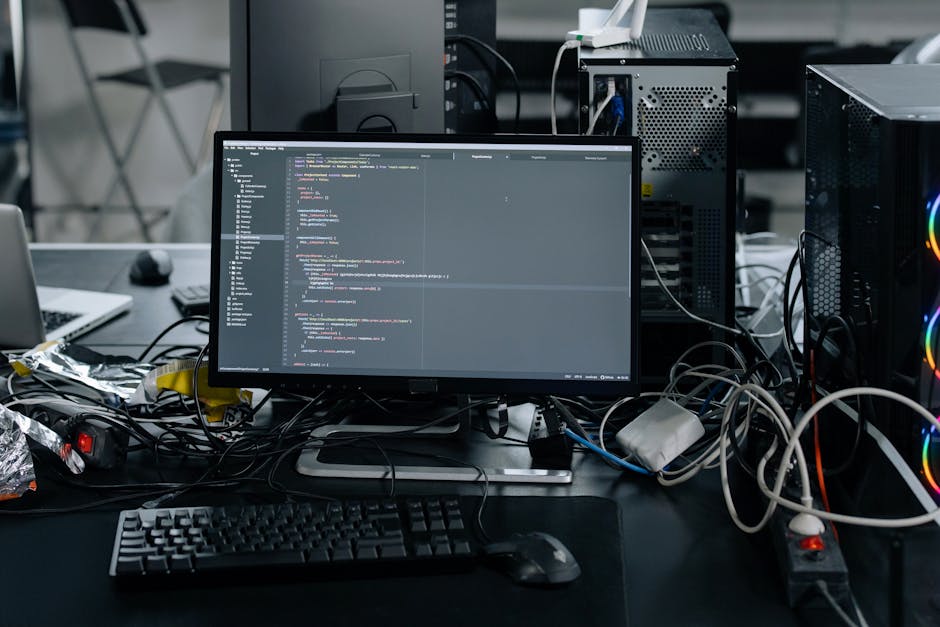
Photo by MART PRODUCTION on Pexels — source It’s a Wednesday afternoon, and the calendar sidebar on my screen is filled with bright blocks of color, each representing a focus session meticulously planned for the day. I glance at the task list, which seems to stretch endlessly, filled with small admin tasks that have a way of crowding out the real work. A reminder popup interrupts my flow, stealing the next ten minutes as I scramble to check off yet another minor item. The setup feels chaotic; the work surface and task surface don’t match, and I’m left wondering why I’m not making progress on my primary projects. As I attempt to switch gears from one task to another, the energy I had for deep work dissipates. The calendar blocks meant to safeguard my focus become mere suggestions, easily overridden by the urgent ping of a notification or the allure of checking off smaller tasks. This ongoing friction highlights a common pitfall in remote work: when the task list exceeds the time avail...
At 2:15 PM on an ordinary Tuesday, the cluttered desk is a battlefield of half-open notebooks, a blinking laptop screen, and a calendar block looming on the wall. The office worker sits down, determined to dive into a focus block, but the task notebook is buried under a stack of papers, making it hard to find the next actionable item. A quick glance at the screen reveals multiple tabs open, each vying for attention, while a muted notification window sits at the corner, ready to disrupt the flow with a reminder popup that could steal the next ten minutes.
The desk setup, intended to support deep work, is instead a source of friction. With the task sequence disrupted by clutter, the worker struggles to maintain focus. The energy dip that often hits in the afternoon makes this moment critical; without an organized plan, the calendar block risks failing before it even begins. Closing unused tabs might help, but first, the worker needs to clear the surface, ensuring that only the most relevant materials are within reach. This small adjustment could pave the way for a productive work session, but it requires a conscious effort to prioritize the environment over distractions.
The Overlooked Clutter on Your Desk
As the clock inches towards 2 PM on a typical weekday, the desk has transformed into a chaotic island of distraction. Papers are strewn across the surface, some filled with hastily scribbled notes from morning meetings, while others are remnants of tasks long forgotten. The task notebook, once a beacon of organized thought, lies buried beneath a pile of unopened mail and a half-empty coffee cup, making it nearly impossible to locate the next actionable item.
With the calendar block looming, the risk of losing focus becomes palpable. Each glance at the computer screen reveals a battleground of open tabs, each vying for attention and threatening to derail the upcoming focus block. A muted notification window sits ominously in the corner, a constant reminder of the impending reminder popup that could easily steal ten minutes—a critical chunk of time that could be the difference between a productive session and a frustrating afternoon.
To regain control, the first step is to clear the desk surface. Start by moving aside the clutter: stack the papers, close unnecessary tabs, and place the task notebook on top of the desk, ensuring it’s easily accessible. This small adjustment not only frees up physical space but also mentally prepares the worker for deep focus. As the afternoon energy dip approaches, creating a clean environment becomes essential for maintaining attention. The act of organizing the desk directly influences the ability to engage with the calendar block effectively, setting the stage for a more productive work session.
When the Calendar Block Starts to Slip
During an ordinary weekday moment, the clutter on the desk becomes a barrier to productivity. A reminder popup suddenly appears on the screen, stealing ten precious minutes from the focus block that was supposed to be dedicated to deep work. As the notification fades, the worker glances at the task notebook, only to realize that the next task is buried beneath a stack of papers and miscellaneous items. This moment of distraction not only disrupts the workflow but also highlights how easily intentions can slip away when the environment isn’t conducive to focus.
To regain momentum, the worker must first address the physical setup. Clearing the desk surface becomes a priority: papers are stacked neatly, and unnecessary tabs are closed to minimize distractions. This small but effective adjustment creates a clearer view of the task at hand, allowing for a smoother transition back into the work session. As the afternoon energy dip approaches, the importance of this organized environment becomes even more evident. If the next task is hidden under clutter, it not only adds to the mental load but also risks further delays in starting the next focus block, ultimately derailing the entire afternoon's productivity.
If this pattern keeps repeating, Focus Without Burnout extends the idea without leaving the niche.
Why Distractions Multiply in Ordinary Life
During an ordinary weekday, the clutter on a desk can create an invisible barrier to focus. A worker might sit down with the intention of diving into a deep work session, only to find that the next task is obscured by a jumble of papers, coffee cups, and sticky notes. This physical disarray not only distracts but also complicates the mental transition into a focus block. The desk surface fails to align with the task sequence needed for concentrated work, leading to frustration as the worker searches for their task notebook amid the chaos.
When the worker finally locates the notebook, they may be tempted to check their email or respond to a notification that just popped up. This is where task switching becomes a significant friction point. Each switch increases cognitive load, making it harder to return to the original task. A reminder popup can easily steal the next ten minutes, pulling attention away from the focus block. To mitigate this, the worker should close unused tabs and mute notifications before starting their session. This simple action creates a clearer workspace and allows for a more seamless transition into focused work.
However, even with good intentions, the clutter can still derail plans. The hidden step of clearing the desk often gets overlooked, leading to a cycle of distraction that can extend throughout the day. The desk, instead of serving as a launchpad for productivity, becomes a trap that complicates the worker's ability to maintain focus. As the afternoon energy dip approaches, the risk of losing momentum increases, making it critical to establish a clean and organized environment for effective task management.
A Simple Adjustment to Regain Control
Amidst the clutter of a busy desk, a worker often finds their focus block compromised by a chaotic environment. As the clock inches toward the afternoon dip, the temptation to check social media or respond to emails can be overwhelming. One common mistake is leaving multiple browser tabs open, each a potential distraction that pulls attention away from the task at hand. Before diving into a focus block, it’s crucial to close all unused tabs. This not only declutters the screen but also reduces the cognitive load that can disrupt deep work.
In addition to managing tabs, setting up a muted notification window for essential alerts can make a significant difference. By doing this, the worker can ensure that only the most important messages come through, allowing for uninterrupted focus. This small adjustment creates a more conducive environment for productivity. As the worker prepares for their session, they should also take a moment to clear the desk surface. If the next useful action is buried under a pile of papers or half-finished tasks, it can derail the entire focus block. The act of organizing the workspace, placing the task notebook prominently, and ensuring that all materials are within reach sets the stage for a more effective work session.
With these adjustments in place, the worker can approach their focus block with greater confidence. However, it’s essential to remember that even with a clean desk and muted notifications, the risk of distraction remains. A single reminder popup can still steal precious minutes, so maintaining vigilance is key. By consciously managing their environment and minimizing interruptions, the worker can reclaim control over their focus and make the most of their time.
What Gets Easier in the Next Time Block
A slightly different version of this problem appears in Managing Energy Not Time, where the sequence changes but the hidden drag feels familiar.
Before diving into the next focus block, the worker notices the clutter on their desk: a mix of open notebooks, loose papers, and a half-empty coffee cup. Each item competes for attention, creating an overwhelming atmosphere that can disrupt the flow of concentration. By taking a moment to clear the desk, placing the task notebook at the center, and stacking unrelated papers to the side, the worker lays the groundwork for a more productive session.
With the desk now organized, the worker can focus on the task at hand without the distraction of visual noise. This simple adjustment reduces the time spent task switching, as the next useful action is easily visible and accessible. A muted notification window remains in the corner of the screen, ensuring that a sudden reminder doesn’t steal focus again. As the worker settles in, the clarity of the workspace translates into a smoother transition into the next calendar block, allowing for deeper engagement with the work.
As the afternoon dip approaches, the clutter on the desk can become a significant barrier to maintaining focus. When the task notebook is buried under loose papers and the calendar block is obscured by distractions, it’s easy to lose sight of what needs to be accomplished. Closing unused tabs and minimizing the number of open applications on the screen can help streamline attention. This small action not only clears visual distractions but also creates a more inviting workspace.
Next time you prepare for a focus block, take a moment to check your environment. Ensure that your task notebook is easily accessible and that any unrelated materials are out of sight. This simple adjustment can prevent a reminder popup from stealing ten minutes of your time, allowing you to dive straight into your work session with minimal interruptions. By being mindful of these details, you can better protect your deep-work blocks and enhance your daily productivity.