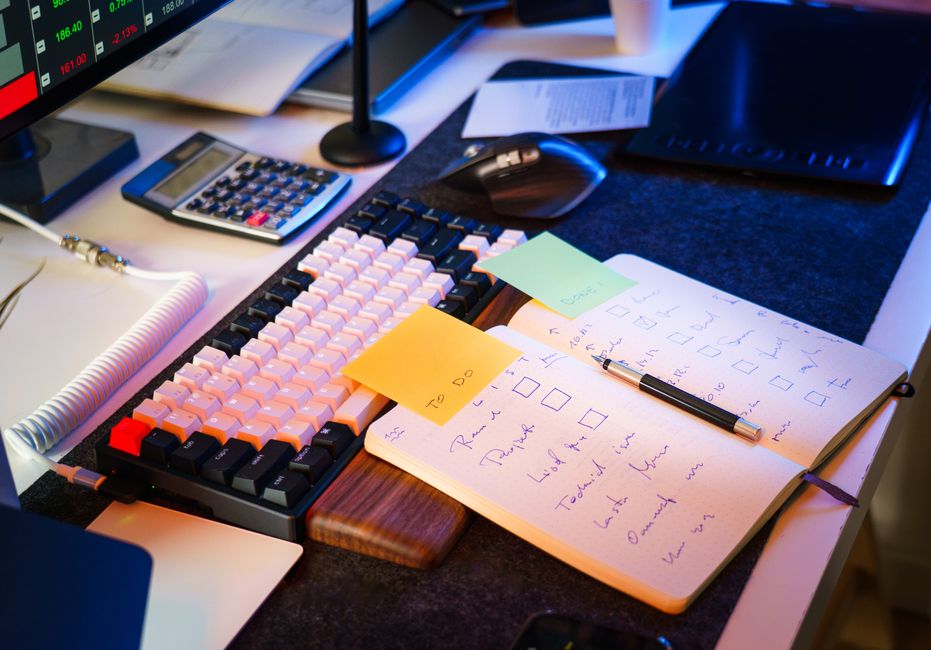
Photo by MART PRODUCTION on Pexels — source It’s a Wednesday afternoon, and the calendar sidebar on my screen is filled with bright blocks of color, each representing a focus session meticulously planned for the day. I glance at the task list, which seems to stretch endlessly, filled with small admin tasks that have a way of crowding out the real work. A reminder popup interrupts my flow, stealing the next ten minutes as I scramble to check off yet another minor item. The setup feels chaotic; the work surface and task surface don’t match, and I’m left wondering why I’m not making progress on my primary projects. As I attempt to switch gears from one task to another, the energy I had for deep work dissipates. The calendar blocks meant to safeguard my focus become mere suggestions, easily overridden by the urgent ping of a notification or the allure of checking off smaller tasks. This ongoing friction highlights a common pitfall in remote work: when the task list exceeds the time avail...
It's a Wednesday morning, and the clutter on my desk is starting to feel overwhelming. My task notebook lies open, filled with half-finished notes and reminders, while my laptop screen displays a dozen open tabs, each vying for my attention. I glance at the calendar block I set for a focus session, but small admin tasks keep creeping in, stealing precious minutes. A reminder popup flashes, and just like that, I lose track of my original plan, drifting into another task-switching loop. The mismatch between my work surface—cluttered and chaotic—and my intended task surface—clear and focused—creates friction that disrupts my workflow.
As I attempt to reset my planning for the day, I realize that the physical setup of my workspace is a significant factor in my productivity. The desk planning I had intended to do feels overshadowed by the urgent yet trivial tasks that demand my attention. Each time I switch tasks, I lose momentum, and the small admin items crowd out the real work I need to accomplish. Closing unused tabs seems like a simple fix, yet it often gets pushed aside as I juggle multiple priorities. This ordinary weekday moment highlights how a misaligned workspace can lead to a cascade of distractions, ultimately pulling me further from my focus goals.
The Default Setup: A Recipe for Distraction
The clutter on my desk is a familiar sight: stacks of papers, a half-drunk coffee mug, and my laptop screen filled with a dozen open tabs. Each tab represents a different task, from responding to emails to reviewing project notes, yet they all compete for my attention. As I glance at my task notebook, I find a long list of small admin tasks waiting for my focus. It seems reasonable to tackle these quick items in between larger projects, but this approach often leads to frequent task switching, derailing my workflow.
During a short planning reset, I realize that the notifications from my messaging apps are pulling me away from my intended focus block. A reminder popup interrupts my thoughts, stealing the next ten minutes as I shift gears to address yet another minor task. The mismatch between my chaotic work surface and the clear task surface I need creates friction that disrupts my concentration. I decide to close unused tabs before diving back into my primary work session, hoping this small adjustment will help reclaim my focus. However, the clutter remains, and I know that without a more intentional desk planning strategy, I’ll continue to wrestle with distractions that crowd out the meaningful work I need to accomplish.
Where the Mismatch Begins to Derail Focus
As I sit down at my desk, the clutter of open tabs on my laptop starkly contrasts with the focused task I intended to tackle. My task notebook lies open, filled with notes from yesterday's work session, yet the small admin tasks I keep pushing to the side are now demanding my attention. Each time I glance at those tabs, I feel the pull to check off a quick email or respond to a message, which fragments my concentration.
Just as I prepare to dive into a focus block, a reminder popup appears on my screen, signaling a meeting I had forgotten about. Ten minutes slip away as I shift gears to address this interruption, leaving my intended project untouched. The challenge of switching between these unrelated tasks creates a friction point that disrupts my workflow. I realize that my work surface—cluttered with distractions—does not align with the clear task surface I need to maintain focus.
To regain control, I take a moment to close the unused tabs, which helps reduce the visual noise. I then check my calendar to ensure I have a dedicated focus block scheduled for later in the day. This small adjustment not only clears my screen but also sets a boundary for when I can return to those smaller tasks. However, the underlying issue remains: without a more intentional approach to desk planning, I risk letting these minor tasks continue to crowd out the real work I need to accomplish.
If this pattern keeps repeating, Focus Without Burnout extends the idea without leaving the niche.
Aligning Your Work and Task Surfaces for Better Focus
During a typical weekday, I often find myself staring at a screen cluttered with open tabs, each one vying for my attention. This visual chaos pulls me away from my primary tasks, particularly when small admin duties creep in, stealing time and focus. To counter this, I make it a point to establish a dedicated focus block on my calendar. This simple act signals to myself that I need uninterrupted time to dive into deeper work.
Before I start my work session, I take a moment to close all unused tabs. This not only clears my screen but also reduces the mental load of having too many distractions visible. I then grab my physical task notebook, where I prioritize my tasks based on urgency and importance. By writing down the most critical items, I create a clear task surface that contrasts sharply with my previously chaotic work environment.
One noticeable difference in my setup is the sequence of actions I take. Instead of diving straight into my computer, I now spend a few minutes organizing my desk and jotting down my top three priorities. This adjustment helps me align my work surface with my task surface, allowing me to focus better during my scheduled work blocks. However, I still find myself tempted by the allure of quick tasks, which can disrupt my attention management if I'm not careful. The friction between what I need to focus on and the distractions that linger remains a challenge, but I’m learning to navigate it more effectively.
The Tradeoff: Convenience vs. Focus
During a typical weekday, I often find myself staring at a screen cluttered with open tabs, each representing a small admin task that pulls my attention away from deeper work. The convenience of having everything at my fingertips is tempting, but the friction it creates is undeniable. A reminder popup can steal the next ten minutes, derailing my focus block and leaving me scrambling to regain my momentum. This constant task-switching not only disrupts my workflow but also leads to a significant loss of time that could be used for meaningful progress.
When I take a moment to reset my workspace, I realize that the effort required to close unused tabs and organize my digital environment pays off. I pull out my task notebook, jotting down the top three priorities for the day. This simple action creates a clear task surface that contrasts sharply with the chaos of my open browser. By aligning my workspace with my intended focus, I can dive into a work session that feels more productive. However, the tradeoff remains: I give up the convenience of quick access to those small tasks, which can be a hard habit to break. Yet, the clarity gained from a focused environment often outweighs the comfort of a cluttered screen, making the effort to reset worth it in the long run.
When to Implement the Alignment Strategy
A slightly different version of this problem appears in Managing Energy Not Time, where the sequence changes but the hidden drag feels familiar.
During a busy work block, the temptation to switch tasks can be overwhelming. As I sit at my desk, the bright screen of my laptop glows with multiple tabs open, each one a reminder of small admin tasks that beckon for attention. The clutter of my digital workspace often leads to a scattered focus, making it difficult to dive deep into meaningful work. I notice that when I try to tackle a new project, the distractions from those tabs steal my attention and time, especially when a reminder popup interrupts my flow, consuming the next ten minutes.
Before starting a new task, I take a moment to evaluate my current setup. I pull out my task notebook and write down my top three priorities for the work session. This action not only helps me clarify what I need to focus on but also creates a sharp distinction between my intended work and the distractions. By closing unused tabs, I can visually align my workspace with the tasks at hand. I also block out a focus block on my calendar, ensuring that I have dedicated time free from interruptions. This simple adjustment allows me to concentrate on one project at a time, rather than juggling multiple tasks that lead to frustration.
When I feel overwhelmed by admin tasks, I remind myself that this is a signal to reset my workspace. Instead of diving into the chaos, I take a brief moment to clear my digital environment. I close the tabs that are not immediately necessary, which not only reduces visual clutter but also minimizes the temptation to switch tasks. The tradeoff here is the loss of quick access to those admin tasks, but the clarity gained from a focused environment often outweighs the comfort of a cluttered screen. Adopting this alignment strategy during high-distraction periods helps me maintain my focus and enhances my overall workflow.
During a typical weekday, the friction between my work surface and task surface becomes painfully evident when I find myself overwhelmed by small admin tasks. Each reminder popup can steal precious minutes, pulling my attention away from more significant projects. This is where a quick reset of my workspace proves essential. I take a moment to assess my task notebook and close any unused tabs that are open on my screen. This action not only declutters my digital environment but also helps me refocus on what truly matters.
By prioritizing a single focus block on my calendar, I create a defined space for concentrated work. This simple check ensures that I am not just reacting to distractions but actively managing my workflow. The next time I feel the pull of task-switching, I’ll remember to clear my workspace first, allowing me to align my work and task surfaces effectively.