Photo by MART PRODUCTION on Pexels — source It’s a Wednesday afternoon, and the calendar sidebar on my screen is filled with bright blocks of color, each representing a focus session meticulously planned for the day. I glance at the task list, which seems to stretch endlessly, filled with small admin tasks that have a way of crowding out the real work. A reminder popup interrupts my flow, stealing the next ten minutes as I scramble to check off yet another minor item. The setup feels chaotic; the work surface and task surface don’t match, and I’m left wondering why I’m not making progress on my primary projects. As I attempt to switch gears from one task to another, the energy I had for deep work dissipates. The calendar blocks meant to safeguard my focus become mere suggestions, easily overridden by the urgent ping of a notification or the allure of checking off smaller tasks. This ongoing friction highlights a common pitfall in remote work: when the task list exceeds the time avail...
It’s a Tuesday morning, and the kitchen table is cluttered with half-finished coffee mugs and a laptop that’s been open for hours. You glance at the calendar sidebar on your screen, where a bright red reminder popup interrupts your flow, stealing the next ten minutes as you scramble to handle a small admin task. The real work—your focus block for the day—sits untouched, buried beneath a pile of notifications and distractions that seem to multiply with each passing minute. You know you need to dive into your top three tasks, but the environment feels chaotic, and the desk setup isn’t conducive to a productive work session.
As you push aside the clutter, it becomes clear that a crucial step has been overlooked: a proper desk planning session before starting your focus block. The mismatch between your work surface and task surface is a familiar friction point. Without a clear separation between urgent admin tasks and your prioritized work, it’s easy to slip into task switching, losing precious focus time. The muted notification window remains unchecked, a simple yet effective barrier against distractions, but it requires intentional placement in your workflow. Recognizing this missed step can be the key to reclaiming your attention and making the most of your remote work sessions.
The Routine That Should Work
At the kitchen table, the ideal setup for a focused work session begins with a clean surface—just your laptop, a notebook, and a pen. This arrangement minimizes distractions, allowing you to concentrate on the tasks at hand. Ideally, your calendar should reflect a clearly marked block of time dedicated to deep work, free from interruptions. This is your chance to dive into the top three tasks that need your attention.
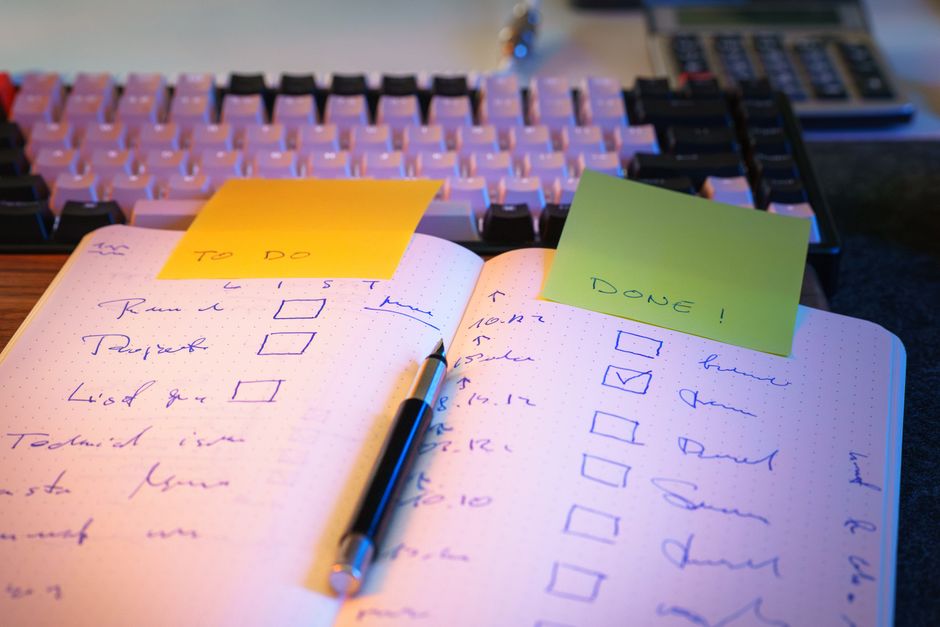
Before starting, take a moment to rewrite those top three tasks on a sticky note and place it directly in front of you. This small action creates a visual anchor, keeping your priorities front and center. Next, ensure that your muted notification window is open on your screen, acting as a barrier against any incoming distractions. The sequence is crucial: first, identify your tasks, then prepare your workspace, and finally, open your calendar to confirm your focus block.
However, without this structured approach, it’s easy to fall into the trap of small admin tasks that crowd out your real work. A reminder popup can steal the next ten minutes, pulling you away from what you intended to accomplish. By recognizing this friction point, you can adjust your workflow habits to ensure your workspace and task surface align, allowing for a smoother transition into your focus block.
Where the First Break Occurs
During a typical weekday at the kitchen table, the clutter of bills and half-finished projects can easily draw your attention away from your main tasks. You sit down with a clear intention to dive into a focus block, but the moment you open your laptop, a notification pops up on the screen. It’s a reminder about an admin task that feels urgent but isn’t critical to your current work session. This distraction, however brief, is often the first visible sign of drift.
As you dismiss the notification, the clutter on your work surface begins to pull at your focus. The calendar sidebar shows a block for deep work, yet the physical reminders of unfinished tasks create a mental tug-of-war. You might think you can push through, but the reality is that even a few seconds spent dealing with a minor task can extend into ten minutes of lost concentration. The initial snag often comes from a forgotten item on your to-do list that you thought you could ignore, but it keeps resurfacing in your mind.
To counteract this, take a moment to clear your desk before your next focus block. Remove anything that isn’t directly related to your current tasks. This small adjustment can help align your physical space with your mental focus. Additionally, check that your calendar block is clearly marked and visible on your screen, ensuring that you’re reminded of your priorities. By doing so, you create a more conducive environment for deep work, minimizing the chances of drifting into those small, distracting tasks that can derail your session.
Why This Failure Repeats
This same friction shows up again in Managing Energy Not Time, especially when the day tightens unexpectedly.
As you sit at your kitchen table, the clutter of small admin tasks looms large. An email notification pops up on your screen, and even though you’re in a focus block, the urge to check it can be overpowering. This momentary distraction often leads to a cascade of interruptions, where ten minutes slip away as you respond to a quick question or glance at a new message. Each time you let these minor tasks take precedence, you reinforce a habit that crowds out the meaningful work you intended to accomplish.
Check your calendar sidebar to ensure your focus block is clearly marked.
Mute notifications on your work device to eliminate the temptation to check in.
Before starting, rewrite your top three tasks on a sticky note to keep your priorities visible.
During your next planning reset, take a moment to clear your workspace of anything unrelated to your current focus block. This adjustment aligns your physical environment with your mental objectives. If you find yourself distracted by an admin task, remember that each small interruption can lead to a significant loss of focus. By establishing a clear boundary—muting notifications and keeping your task list front and center—you can reduce the friction that leads to drifting away from your primary objectives.
A Simple Correction to Prevent Drift
A slightly different version of this problem appears in Focus Without Burnout, where the sequence changes but the hidden drag feels familiar.
During a typical weekday at the kitchen table, the clutter of small admin tasks can quickly overshadow your main objectives. As reminders pop up on your screen, they can steal precious minutes, leading to a frustrating drift away from your focus block. To counteract this, implement a muted notification window on your work device before diving into your tasks. This small adjustment creates a clear boundary, reducing the temptation to check in on non-essential updates.
Before you start your work session, take a moment to rewrite your top three tasks on a sticky note and place it directly in front of you. This visual cue not only clarifies your priorities but also aligns your physical workspace with your mental focus. By ensuring that your work surface is free of distractions and your task list is front and center, you set yourself up for a productive block of time. Remember, each time you let minor tasks crowd your agenda, you risk losing sight of what truly matters in your workflow. This simple correction can significantly enhance your attention management during remote work sessions.
A Quick Check That Prevents More Drift
Before diving into your work session, take a moment to assess your digital environment. If you're working from your kitchen table, it's easy for small admin tasks to sneak in and disrupt your focus. A quick check involves minimizing distractions on your computer screen. Close unnecessary tabs and mute notifications on your messaging apps. This simple action can save you from the ten-minute rabbit hole that a reminder popup can create, pulling your attention away from the tasks that matter.
Next, align your physical setup with your focus goals. Grab a sticky note and write down your top three tasks for the session, then place it directly in front of you on the table. This visual cue not only keeps your priorities clear but also helps combat the temptation to switch gears for minor tasks. By ensuring that your work surface reflects your task list, you create a more conducive environment for deep work. Each time you let minor tasks crowd your agenda, you risk losing sight of what truly matters in your workflow.
What Changes Once That Fix Repeats
After you start placing your top three tasks prominently on your work surface, the shift in focus becomes palpable. Instead of glancing at a cluttered screen filled with notifications and admin tasks, your eyes are drawn to that sticky note, reminding you exactly where to direct your energy. This small but significant adjustment helps reduce the impulse to task switch, allowing for deeper engagement with your primary work.
During your next work session, you’ll notice that the calendar block you set aside for focused work feels more productive. With the distractions minimized, you can tackle your most pressing tasks without the nagging pull of smaller, less important items. For example, if you previously found yourself derailed by a reminder popup that stole ten minutes, now you can complete a substantial chunk of work instead. This clearer alignment between your physical setup and your task list enables a smoother workflow, allowing you to maintain momentum.
As you repeat this process, the friction of minor tasks encroaching on your focus diminishes. You’ll find that the time spent on significant work grows, while the time wasted on admin tasks shrinks. Each successful block reinforces your ability to stay on track, and soon, the kitchen table transforms into a dedicated space for concentrated effort, where your attention management thrives.
As you refine your desk planning, consider how the arrangement of your work surface impacts your focus. If your laptop is cluttered with tabs from minor admin tasks, it’s easy to lose sight of your primary objectives. Make it a habit to rewrite your top three tasks on a sticky note and place it directly in front of you. This not only serves as a visual reminder but also helps prioritize your focus block over smaller distractions.
During your next planning reset, take a moment to mute notifications on your devices. A single reminder popup can easily steal ten minutes of your time, pulling you away from the work that truly matters. By creating a more intentional environment, you can better manage your attention and steer clear of focus drift, ensuring that your kitchen table becomes a space for productive work sessions.