Why Setup Clutter Diminishes Remote Work Focus
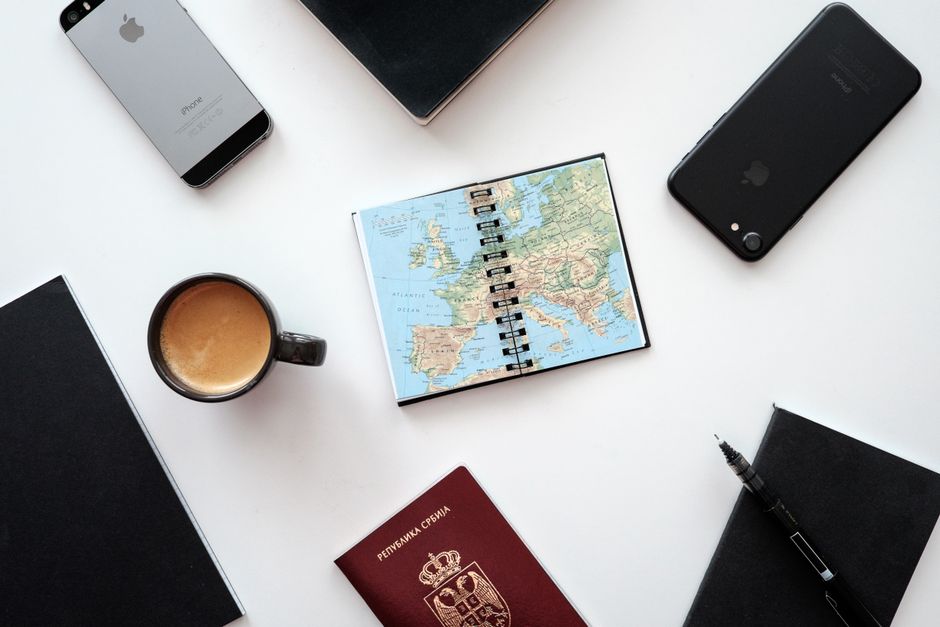
It’s a Tuesday morning, and the kitchen table is cluttered with half-finished cups of coffee, scattered notes, and a laptop that’s been open for hours. The task notebook lies in front of you, filled with a long list of admin tasks that seem to multiply instead of shrink. The distractions are relentless, making it hard to focus on what truly matters.
As you prepare for a focused work session, the calendar block you set up earlier feels like a distant memory. Notifications from various apps buzz on your screen, pulling your attention away from the tasks that require deep concentration. The small admin tasks, like responding to emails or organizing files, crowd out the real work, creating a barrier to productivity. Without a clear check on what needs to be prioritized, the next useful action gets buried under the clutter of your setup, leaving you feeling overwhelmed and unfocused.
The Default Routine That Overwhelms
At the kitchen table, the task notebook lies open, revealing a jumbled list of admin tasks that seem to grow by the minute. Each item, from replying to emails to scheduling meetings, feels necessary but contributes to a sense of chaos. The calendar block you set up earlier, intended for focused work, is now overshadowed by these smaller, less important tasks.
As the clock ticks towards your designated work session, notifications from messaging apps and email alerts start to pile up on your laptop screen. You glance over, thinking it’s just a quick check, but before you know it, you’re deep into a thread about a project that could wait. This cycle of task switching creates a cascade effect: the more you engage with minor tasks, the less likely you are to return to the significant work.
In an attempt to regain focus, you decide to mute notifications, hoping to clear the mental clutter. However, without a visible task list prioritizing what needs to be accomplished, it’s easy to lose sight of your original goal. The initial intention of your calendar block, designed to carve out time for deep focus, now feels like a distant memory, overshadowed by the pressing demands of smaller tasks.
Where the Default Method Breaks Down
If this pattern keeps repeating, Managing Energy Not Time extends the idea without leaving the niche.
At the kitchen table, the clutter of small admin tasks begins to overshadow the more significant project looming in your task notebook. Each ping from your laptop lures you into a quick check, but those checks spiral into lengthy exchanges that pull your focus further away from the work that truly matters.
As you glance at your task list, the sheer volume of items feels overwhelming. You have a calendar block set aside for focused work, but the sight of minor tasks—like responding to a colleague’s question or updating a shared document—creates a mental roadblock. Yet, the more you engage with these petty tasks, the less likely you are to return to your primary goal.
Task switching becomes a slippery slope. You start with a simple intention to mute notifications, hoping to regain some control over your attention. But without a visible task list prioritizing what needs to be accomplished, the original purpose of your calendar block fades away. You think, "I’ll just finish this quick email," but that quick fix leads to another distraction, and suddenly, the time you set aside for deep focus is lost to an endless cycle of small tasks that crowd out the real work.
The next useful action is obscured by clutter, leaving you to navigate a maze of distractions instead of the straightforward path to productivity you had envisioned.
A Streamlined Approach to Focus
This same friction shows up again in Focus Without Burnout, especially when the day tightens unexpectedly.
On a typical weekday, sitting at the kitchen table, the laptop screen flickers with a list of minor tasks that seem to multiply. Instead of diving into the work session, the instinct is to respond to an email or check a shared document. This is where clutter begins to obscure the next useful action, making it harder to maintain focus.
To counter this, implementing a visible task list can transform the workflow. Start by jotting down the essential tasks on a notepad right next to the laptop. This simple adjustment creates a clear path through the clutter. By doing this, the mind is less tempted to wander into the realm of minor tasks. The difference here lies in the deliberate choice to highlight one significant task over a series of distractions. The result is a more structured approach that not only saves time but also helps reclaim the focus lost amidst the chaos of remote work.
The Tradeoff Between Clarity and Flexibility
During a busy weekday at the kitchen table, the laptop screen is filled with a mix of urgent emails and minor admin tasks. This clutter creates a decision point: should the focus be on a structured routine that prioritizes one significant task, or allow for a more flexible approach that accommodates spontaneous interruptions? The structured method, with a visible task list placed prominently beside the laptop, can significantly reduce feelings of overwhelm. However, this clarity can feel restrictive, as it might limit the ability to pivot to unexpected tasks that arise.
On the other hand, a flexible approach allows for spontaneity, letting the worker choose which task to tackle based on immediate needs. This might seem appealing, especially when a new email pops up that feels pressing. Yet, this method often leads to increased clutter and distraction, as the original task gets buried under a pile of smaller, less important tasks. The freedom to switch tasks can quickly devolve into a chaotic workflow, where the next useful action is obscured by a jumble of competing priorities.
Ultimately, the tradeoff between structure and flexibility is a balancing act. While a structured routine can streamline focus and reduce decision fatigue, it may sacrifice the ability to adapt to changing circumstances. Conversely, a more flexible method can invite distractions that undermine productivity. Recognizing when to lean into structure versus when to embrace flexibility is key to navigating the clutter of remote work effectively.
When That Alternative Fits Better
During a typical weekday, as the clock edges toward noon, the kitchen table transforms into a makeshift office cluttered with notebooks, a laptop, and a growing stack of bills. This scenario illustrates how default routines can bury the next useful action under a pile of smaller, less significant tasks.
Instead of diving into the chaos of incoming notifications, consider a focused work session. Start by muting notifications on your phone and computer. This simple action can create a mental barrier against distractions. Next, pull out your task notebook and identify just one visible task that aligns with your primary goal for the day. Write it down in bold at the top of the page. This shifts your focus away from the clutter of smaller admin tasks that often crowd the forefront of your mind.
As you settle into this adjusted workflow, you might notice the difference: tasks like "respond to emails" or "pay bills" can wait until after your focus block. This clear delineation of time and task not only enhances your attention management but also reduces the friction of task switching.
During a typical weekday moment at the kitchen table, the clutter of small admin tasks can easily obscure the next useful action. Instead of letting these distractions take over, take a moment to mute notifications on all devices. This creates a clearer mental space, allowing you to focus on what truly matters.
Next, pull out your task notebook and write down the single most important task for the day, placing it prominently at the top of the page. This simple act shifts your attention back to what needs to be accomplished, cutting through the noise of less significant tasks. By prioritizing this one task, you can effectively navigate through the clutter and ensure that your focus block remains productive, rather than getting lost in the chaos of your surroundings.