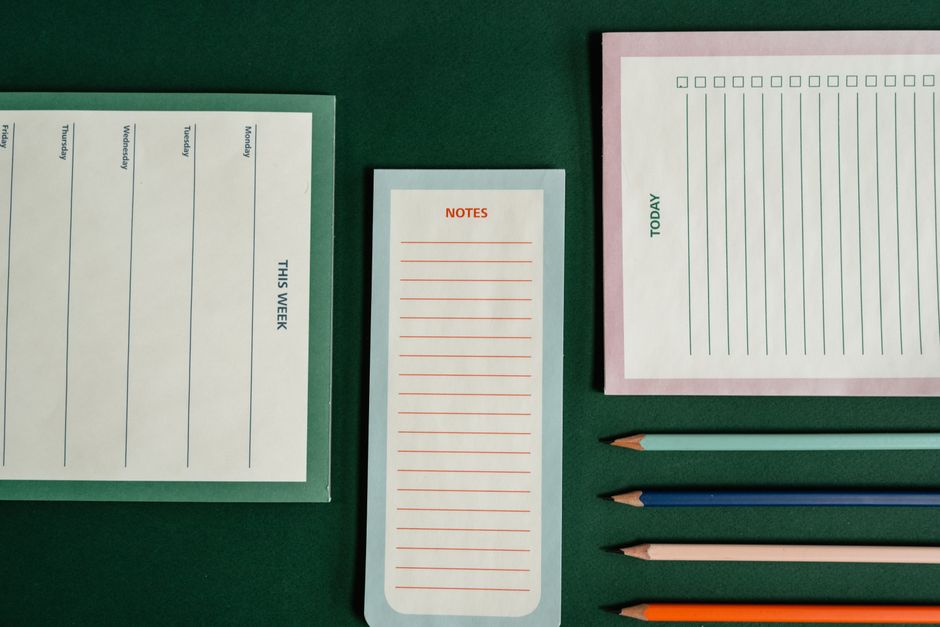
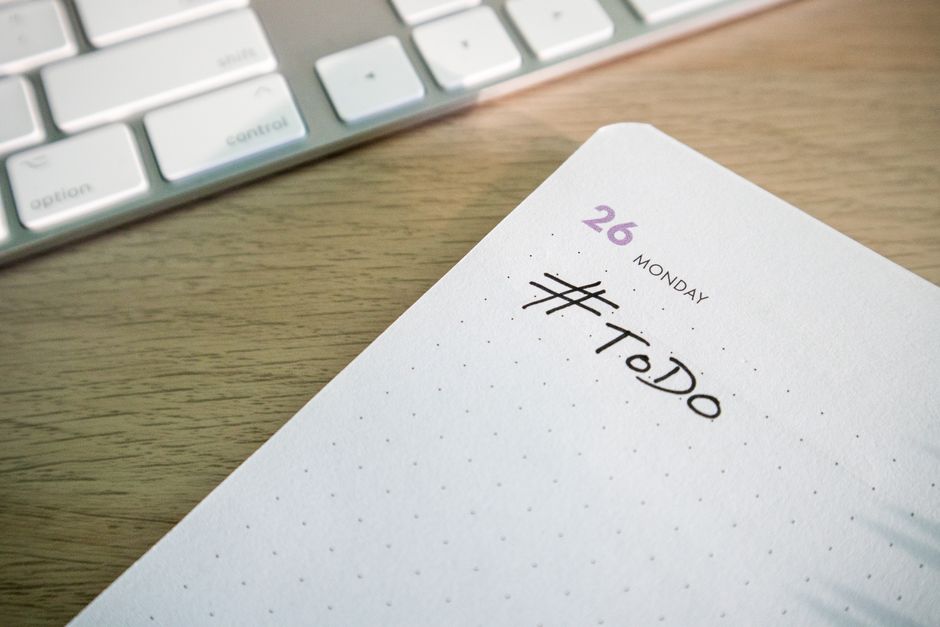
Photo by RDNE Stock project on Pexels — source On an ordinary weekday, the clock reads 10:15 AM as I sit at my desk, a cluttered space filled with sticky notes and a half-empty coffee mug. My desktop monitor displays a well-structured task list, but the moment I open my email, a reminder popup interrupts my focus. It’s a simple task, just a quick response to a client, yet as I switch tabs, I can feel the mental gears grinding. Notifications from Slack begin to pile up, each one pulling my attention away from the work session I had planned. The initial momentum I had built for my focus block starts to slip through my fingers, and I realize that this small task is about to cost me ten minutes of valuable time. As I navigate back to my task list, I notice that I haven’t rewritten my top three tasks for the day, a step I often skip when I’m distracted. This missed check means I’m not aligning my focus habits with my real energy levels, leading to more task switching than necessary. Each p...
At the kitchen table, the laptop screen glows with a long list of tasks, each demanding attention. The cluttered surface, littered with coffee mugs and scattered papers, mirrors the chaos in the mind. Each time a Slack message pops up, it feels like another thread unraveling, making it hard to dive deep into a focus block. The intention was to tackle the most pressing items on the to-do list, but the reality of constant interruptions makes that goal seem increasingly elusive.
As the clock ticks closer to the afternoon, the mismatch between the task list and the work environment becomes glaringly apparent. Without a clear desk planning strategy, the tasks that require concentration are overshadowed by less critical emails and chats. The visible task list is buried beneath a mountain of distractions, and the decision to mute notifications feels like a last resort rather than a proactive step. Each moment spent switching gears only adds to the frustration, as the focus habit slips further away. The kitchen table, meant to be a temporary workspace, now feels like a battleground against interruptions and unfulfilled intentions.
A Typical Morning at the Kitchen Table
The kitchen table is cluttered with a laptop, a half-drunk cup of coffee, and a notepad filled with scribbled tasks. As the morning light filters through the window, the screen lights up with a flood of emails and Slack notifications. The task list grows longer, and the sense of urgency builds, creating a palpable tension in the air. It's hard to ignore the digital distractions when they are constantly vying for attention, making it difficult to settle into a focus block.
With a quick glance at the notepad, the realization hits: the tasks laid out do not match the time available. Desk planning becomes essential, yet the kitchen table, meant for meals and family gatherings, is now a battlefield against interruptions. The decision to mute notifications should be the first move, but it often gets overlooked amidst the chaos. Instead, the focus habit slips further away as emails expand and the visible task list remains buried under a mountain of distractions. Without a clear strategy to prioritize tasks, the morning slips into a series of task switches, leaving the most important items untouched and the day feeling unproductive.
When the Task List Overwhelms the Space
The kitchen table, once a gathering spot for meals, now serves as a makeshift office cluttered with papers, coffee cups, and an ever-growing to-do list. Each time the phone buzzes with a Slack notification or an email alert, concentration shatters like glass. This chaotic environment makes it nearly impossible to settle into a focus block, as the clutter not only occupies physical space but also mental bandwidth.
During this ordinary weekday moment, the intention to block out two hours for focused work quickly dissolves into a series of task switches. The calendar block intended for deep work feels like a distant memory, as the visible task list grows longer and more daunting. A quick glance at the notepad reveals that the most pressing items remain untouched, while the mind flits from one distraction to another. The missed check on muting notifications becomes glaringly obvious; it should have been the first step to reclaiming focus.
To regain control, a simple adjustment can be made. Clear off the workspace, setting aside the coffee cups and papers that do not belong to the current task. Create a visible task list that highlights only the top three priorities for the session. This small act of desk planning can shift the focus back to what truly matters, allowing for a more productive work session.
Why Task Switching Breaks Focus
If this pattern keeps repeating, Managing Energy Not Time extends the idea without leaving the niche.
Frequent notifications from Slack or email create an environment where checking in becomes a reflex rather than a choice. Each ping pulls attention away from the task at hand, leading to a fragmented workflow. The kitchen table, often cluttered with coffee mugs and half-finished meals, becomes a battleground for focus. As notifications pile up, the brain's ability to concentrate diminishes, making it harder to return to the original task.
After each interruption, a significant amount of mental energy is expended in trying to regain focus. This constant task switching doesn’t just disrupt the current work session; it leads to a cumulative loss in productivity. The intention to dive deep into a focus block is undermined by the habit of responding to every notification.
To counteract this, a small but effective adjustment can be made before starting the work session. First, mute notifications on your devices; this simple action can create a more conducive environment for focus. Next, set a visible task list on your workspace, highlighting only the top three priorities for the day. This not only clarifies what needs to be accomplished but also minimizes the overwhelming feeling that often accompanies a lengthy task list. With distractions muted and priorities clear, the chances of slipping into task switching decrease significantly, allowing for a more productive work session.
One Simple Adjustment to Regain Control
This same friction shows up again in Focus Without Burnout, especially when the day tightens unexpectedly.
At the kitchen table, surrounded by the bustle of home life, the challenge of maintaining focus during work hours can feel insurmountable. As Slack notifications ping and emails flood in, the intention to tackle the day’s tasks often gets lost. To combat this, a straightforward adjustment can make a significant difference.
Mute all notifications: Before starting your focus block, silence notifications on your phone and computer. This small act creates a quieter environment, reducing the temptation to check every alert.
Set a focus block on your calendar: Allocate a specific time for uninterrupted work. Mark it clearly on your calendar to signal to others—and yourself—that this time is dedicated to deep work.
Use a visible task list: Place a single sheet of paper on your workspace with only the top three priorities for the day. This helps to streamline your attention and keeps you anchored to what truly matters.
By muting distractions, designating time for focus, and clarifying your tasks, you create a more conducive setup for productivity. The friction of constant interruptions diminishes, allowing for deeper engagement with your work. When the task list feels overwhelming, this simple preparation can transform your focus blocks into productive sessions.
How Mute and Focus Blocks Change the Day
In the middle of a bustling weekday, sitting at a kitchen table cluttered with half-finished meals and a stack of unopened mail, the temptation to check Slack becomes overwhelming. By muting notifications on both the computer and phone, the constant interruptions fade into the background. This simple act transforms the atmosphere; what once felt chaotic now feels more manageable.
With distractions minimized, the focus block can begin. The task notebook, open to a fresh page, lists the top three priorities for the day. As the clock ticks forward, the words flow more freely, and the sense of accomplishment builds.
After this focused session, the remaining tasks seem less daunting. The clear structure from the focus block leads to a more organized approach for the afternoon. Each task feels like a step forward rather than a burden. The earlier decision to mute distractions and prioritize work has a ripple effect, making it easier to tackle the next task without the usual overwhelm. In this way, the day shifts from chaos to clarity, one focus block at a time.
As the day winds down, the kitchen table remains cluttered with remnants of a busy work session. The task notebook, now filled with crossed-out items, serves as a testament to the focused blocks achieved amidst the interruptions. This moment highlights how easily focus can slip when the environment isn’t conducive to deep work.
Taking a moment to review the task list can make a significant difference. Before diving into the next session, check that the most pressing tasks are clearly outlined, and consider muting notifications again. This small adjustment can create a more focused atmosphere, allowing for a smoother transition into the next block of work. By prioritizing what truly matters, the day can shift from chaotic to productive, one focused task at a time.