Transforming Remote Work Focus: From Default to Effective

It's a Tuesday morning, and the clock on the wall reads 9:15 AM. The calendar notification pings softly, reminding them of the next meeting, but the focus block they had planned to start is slipping away.
The clutter on the screen mirrors the clutter in their mind. Each time they check the calendar before opening the document, the intention to focus gets buried under a wave of task-switching. A muted notification window sits in the corner, offering a false sense of control, but it only adds to the distraction. As the minutes tick by, the straightforward action of rewriting the top three tasks gets lost in the shuffle, leaving the worker stuck in a loop of unproductive browsing. This cycle of missed checks and cluttered screens raises the question: how do good intentions around improving work focus remotely often fail during a work session?
The Default Routine: A Tab-Heavy Trap
Opening the browser, the remote worker instinctively clicks through a dozen tabs, each one a potential distraction. The email client sits front and center, flashing with new messages, while project management tools and articles on productivity linger in the background. This initial setup feels reasonable; after all, they want to be prepared for whatever comes up during the work session. However, the clutter quickly transforms into a barrier, making it hard to focus on the actual tasks at hand.
As the clock ticks towards 9:30 AM, the worker checks the calendar again, hoping to remind themselves of their priorities. This habit of checking the calendar before diving into the working document seems harmless, yet it often leads to a spiral of task-switching. Notifications from various platforms buzz softly, creating an overwhelming sense of urgency that drowns out the clarity needed for focused work.
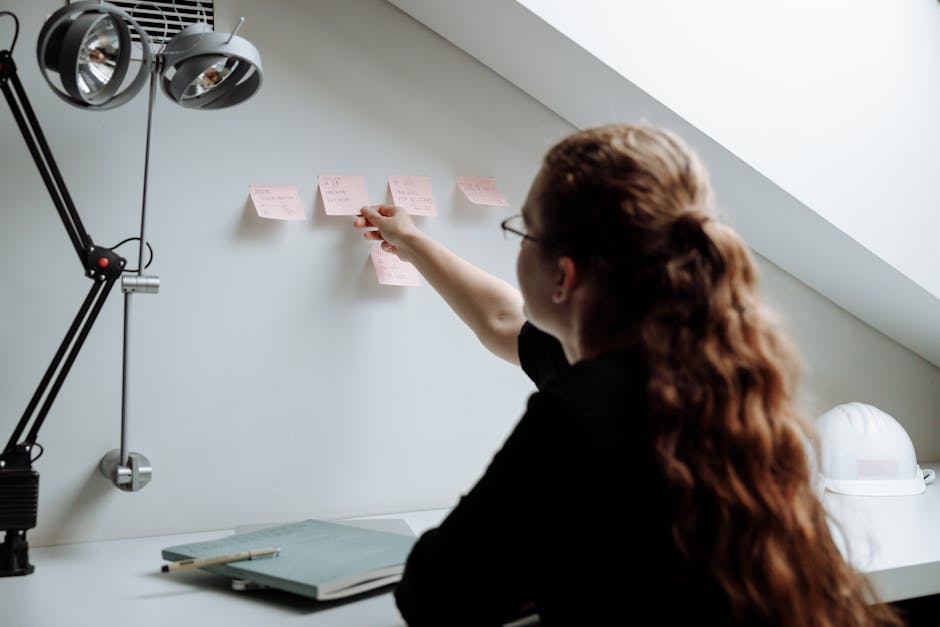
In this moment, a simple action could shift the trajectory: rewriting the top three tasks on a sticky note and placing it beside the monitor. This small adjustment—removing the clutter of open tabs and focusing on a single task—could help reclaim the focus block that was lost in the chaos. Instead, the worker finds themselves stuck, with the next useful action buried under layers of digital noise, highlighting the friction between good intentions and effective execution.
Where Focus Fades: The Calendar Check Dilemma
As the clock edges closer to 9:30 AM, the remote worker's eyes dart to the calendar tab pinned in their browser. This habitual check, intended to clarify the day's priorities, often spirals into a cascade of distractions. Each new tab opened adds to the clutter, creating a visual noise that drowns out the clarity needed for a productive work session.
In this moment of distraction, the initial intent to plan the day effectively slips away. The calendar check, meant to streamline workflow, instead becomes a weak point under pressure. The worker's focus shifts from the task at hand to the urgency of responding to an email or checking a message. A simple adjustment, like rewriting the top three tasks on a sticky note and placing it prominently beside the monitor, could serve as a tangible anchor.
To reclaim focus, it’s essential to recognize this friction point. The next useful action is often buried under layers of digital noise, hidden behind the very tools intended to aid productivity. By resisting the urge to check the calendar first, the worker could dive straight into the document, allowing the focus block to flourish without the interruptions of task-switching. This contrast highlights the delicate balance between planning and execution, where good intentions often falter in the face of overwhelming options.
This same friction shows up again in Focus Without Burnout, especially when the day tightens unexpectedly.
Navigating Tradeoffs: The Cost of Cluttered Sessions
During a typical work session, the browser tab row is filled with emails, project updates, and calendar reminders, creating a familiar yet distracting environment. This default method of managing tasks offers comfort but often leads to scattered attention. As the worker glances at the calendar, the urge to respond to an email or check a message becomes overwhelming, pushing the intended focus block to the background.
- Default routine: Check calendar first, leading to task-switching.
- Alternative approach: Rewrite top three tasks on a sticky note and keep it visible.
- Tradeoff: Initial planning takes time but enhances focus during execution.
Choosing to rewrite the top three tasks and placing them beside the monitor requires upfront effort, yet it streamlines the focus block by reducing distractions. While the alternative sacrifices the comfort of familiar routines, it ultimately allows for deeper engagement with the work at hand. This tradeoff is worth considering, especially when the clutter of open tabs threatens to bury the next useful action beneath layers of digital noise.
When to Implement Focus Blocks: Finding the Right Fit
If this pattern keeps repeating, Managing Energy Not Time extends the idea without leaving the niche.
Focus blocks shine during high-concentration tasks, especially when the calendar is clear and notifications are muted. Picture this: it’s a Tuesday afternoon, and the desk is cluttered with a browser tab row filled with open emails, reports, and project management tools.
To break this loop, consider a concrete action: before opening any new tabs, take a moment to rewrite the top three tasks on a sticky note. Place this note prominently beside the monitor. This simple act not only clarifies priorities but also serves as a visual reminder to stay focused. When the urge to check email arises, this note can act as a barrier, redirecting attention back to the intended focus block.
However, the tradeoff here is clear: while the familiar routine of checking the calendar and responding to messages offers a sense of comfort, it often leads to scattered attention and unfinished tasks. By committing to this new approach, the worker can transform their focus block into a dedicated time for deep work, allowing for greater engagement with the task at hand. The initial effort of setting up the sticky note may feel cumbersome, but it ultimately streamlines the workflow, making the next useful action more accessible amidst the digital noise.
During a typical weekday, the browser tab row can become a chaotic landscape of distractions. As the remote worker prepares to dive into a focus block, the instinct to check the calendar or respond to a new email often takes precedence. The missed check here is significant: without a clear plan, the worker risks entering a cycle of scattered focus that undermines productivity.
To counter this, establishing a simple routine can make a difference. Before opening any additional tabs, take a moment to review the top three tasks written on a sticky note placed beside the monitor. This visual cue serves as a reminder to prioritize deep work over the allure of notifications. By committing to this small adjustment, the worker can reclaim their focus block, ensuring that the next useful action is not buried under digital clutter but rather stands out as the first step toward a more productive work session.